Pojah: A Modern Sans Serif Font for Polished Branding
It was a typical Tuesday morning when I sat down with my laptop, coffee in hand, and the task of updating my bakery’s packaging. We had been getting more orders online, and it was time to give our brand a fresh look that felt professional yet approachable. As I started designing new labels for our pastries and breads, I knew one thing—our font needed to reflect the warmth of our baked goods while keeping up with modern design trends.
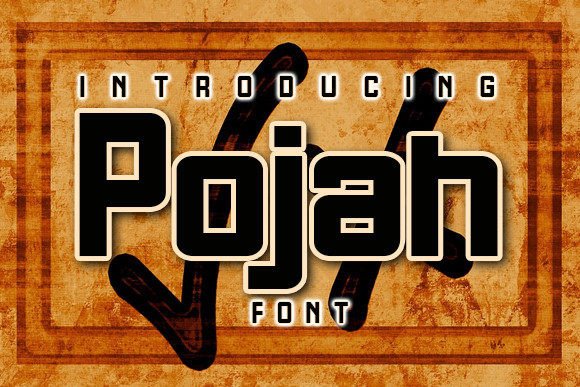
That’s when I discovered Pojah, a modern sans serif font that immediately caught my eye. It wasn’t just another typeface; it had a clean, contemporary feel that could work across different branding materials without feeling too generic or too trendy.
A Font That Feels Right at Home
Pojah has a minimalist structure with subtle character details that make it stand out. The letterforms are smooth and balanced, which gives it a professional appearance while still being friendly enough for customer-facing content. It reminded me of a well-designed logo—simple, but with personality.
I tested it on a few mockups: a label for our almond croissant, a thank-you card for customers, and even a new Instagram post. Each time, it felt like the perfect fit. The font didn’t shout for attention, but it held its own in a way that made everything look more cohesive.
Real-World Use Cases for Pojah
As a small business owner, I’m always looking for tools that help me create consistent visuals across all platforms. Pojah proved to be versatile enough to handle multiple tasks:
- Product Labels: I used it for our bread boxes and pastry tags. The readability was excellent, even on smaller labels.
- Social Media Graphics: It worked well in headlines and short captions for Instagram posts. Its modern look helped our feed stay visually aligned.
- Menus: When we redesigned our café menu, Pojah added a touch of elegance without overwhelming the content.
- Thank-You Cards: The font gave the cards a personal yet professional tone, making our gratitude feel more sincere.
One thing I noticed was how well Pojah paired with other fonts. For instance, combining it with a classic serif font for body text created a nice contrast that felt both modern and trustworthy.
Typography That Works Harder Than You Think
It might seem like a small detail, but typography plays a big role in how your brand is perceived. Pojah helps create a visual identity that feels intentional and consistent. Whether you're designing a website banner, a flyer, or a product tag, using the same font across all materials makes your brand more recognizable and easier to remember.
Readability is also key. With Pojah, I found that it performed well on both digital and printed formats. On mobile screens, it remained legible without losing its charm. On printed labels, the clarity was spot-on, which is essential for small text that needs to be easy to read at a glance.
For businesses that rely on packaging or product labels, this font offers a clean, professional look that can elevate the overall presentation. It doesn’t scream “designer,” but it definitely says “intentional.”
Choosing the Right Style for Your Needs
Pojah works best as a display font, meaning it shines in headlines, titles, and short phrases. If you’re working on a logo, a tagline, or a call-to-action button, this font will bring clarity and style to those elements.
However, if you need something for longer body text, I recommend pairing it with a complementary sans serif or serif font. This ensures that your content remains readable while still maintaining a cohesive design language.
Before finalizing any design, I always check the font’s included styles, weights, and file formats. Pojah comes with several variations that allow for flexibility in design, whether you're creating a bold headline or a soft subheading.
Also, confirming commercial licensing is important. Since I used Pojah for printed materials and digital assets, having the right permissions was crucial to avoid any legal hiccups later on.
Overall, Pojah has become a go-to font for my branding projects. It’s not just about looking good—it’s about feeling right. And in the world of small business branding, that’s exactly what you want.